
10 Things No One Tells You About Plastic Surgery
(What I Wish I Knew Before My Facelift)
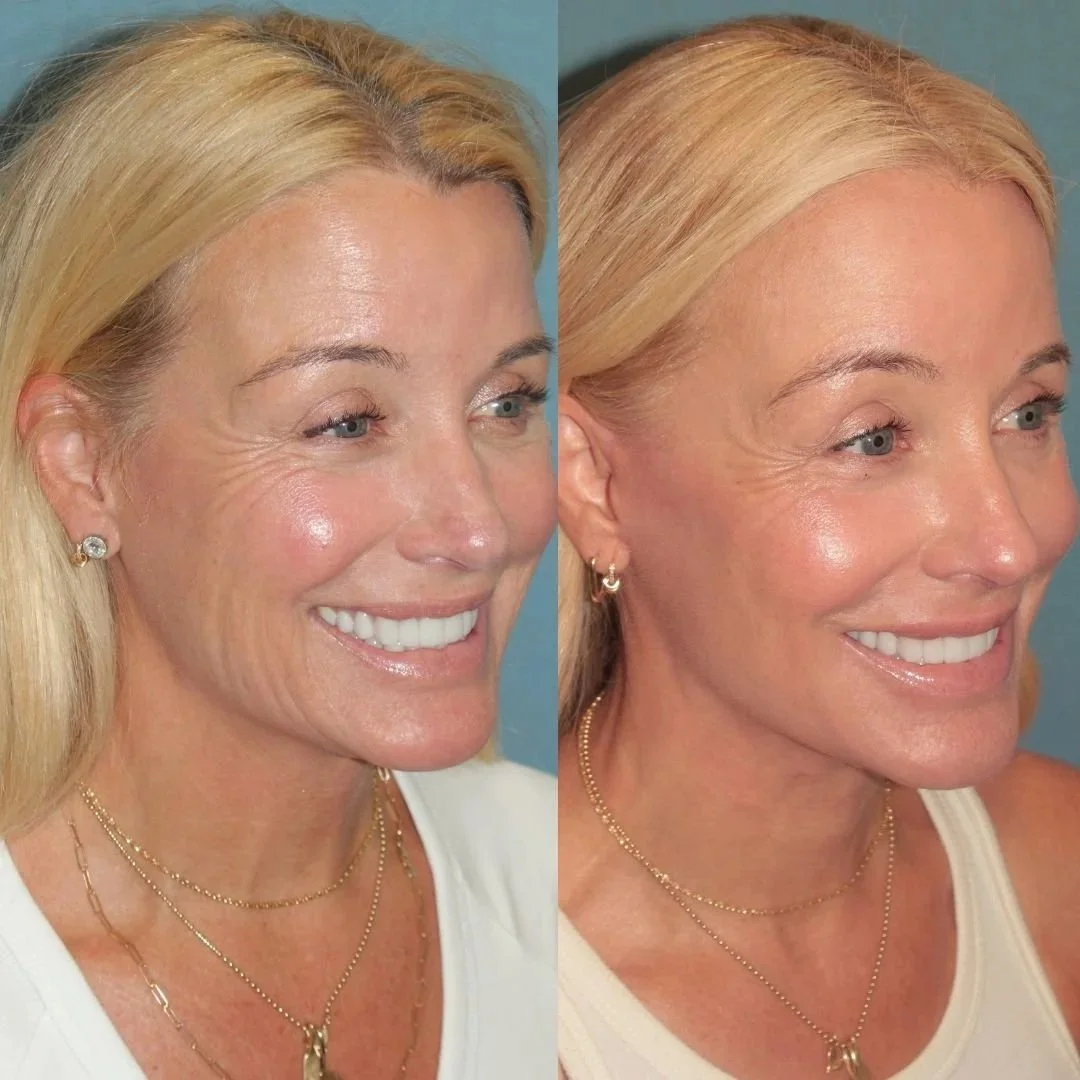
If you’re considering a procedure, there are several things to know before plastic surgery that most surgeons—and Instagram—don’t talk about.
Plastic surgery is something people often whisper about… but don’t always talk honestly about.
A little over a year ago, I had a deep plane facelift with an endoscopic brow lift and laser around my eyes and mouth and SMAS. It was quite the journey, and it reminded me that there are many things people don’t tell you about plastic surgery.
And this wasn’t my first experience. Over the years, I’ve had a breast augmentation, a revision, and a mini tummy tuck. So I’ve had my share of time in a surgeon’s office and in recovery.
Today I want to share the 10 things no one tells you about plastic surgery—the things I wish someone had told me before I went through it.
Because if you’re considering it, the best thing you can do is go in informed and prepared.
What No One Tells You About Plastic Surgery
1. Recovery Takes Longer Than You Think
One of the biggest surprises for many women is how different the plastic surgery recovery timeline can be from what they expected.
Many people think they’ll be back to normal in a week or two.
In reality, recovery often takes longer.
Everyone heals differently, and what you see on social media is usually just the before and after—not the messy middle.
Your body needs time to heal, and that process can’t be rushed.
2. The Emotional Dip Is Real
This was one of the biggest surprises for me.
After my facelift, I experienced a real emotional low. I remember looking in the mirror and thinking:
“What have I done to myself?”
When you’re recovering, you’re not living your normal life. You’re not exercising, seeing friends, or doing the things that normally boost your mood.
That lack of routine—combined with swelling and discomfort—can create a temporary emotional slump.
Having a support system in place makes a big difference.
3. Swelling Lasts Longer Than Expected
Swelling can hang around for a while.
I experienced this with my mini tummy tuck years ago. I remember feeling discouraged because I actually looked bigger for a while due to swelling.
Today, one thing that helps many people is lymphatic massage, which can help move fluid and reduce swelling (once your doctor approves it).
But the key is patience.
4. Bruising Can Be Surprising
Some people bruise more than others.
I was fortunate not to bruise much with my facelift, but that’s partly because my doctor had me:
Avoid certain medications like ibuprofen
Take supplements like arnica beforehand
Still, bruising can look dramatic, and if you’re not expecting it, it can be a little shocking.
5. You’ll Need More Help Than You Think
This is a big one.
Looking back, I wish I had hired someone to help me for the first week after my surgery.
Simple things like:
Doing laundry
Preparing meals
Helping with medications
Just being there for support
make recovery so much easier.
Trying to manage everything yourself while healing is exhausting.
6. Numbness Is Common
Even more than a year after my facelift, I still have a little numbness around my ears and neck.
This is completely normal.
Nerves take time to regenerate, and sometimes sensation doesn’t fully return. The good news is that most people adjust and it becomes less noticeable over time.
7. Your Energy Will Be Low
Surgery is a trauma to the body.
Your body is working hard to heal, and that requires energy.
Many people underestimate just how tired they’ll feel in the weeks after surgery. Resting and nourishing your body is part of the healing process.
8. You Can’t Rush Exercise
Before my facelift, I asked my surgeon when I could start walking again.
I thought it would be quick.
But it took several weeks before I was back to my normal routine, and even longer before I could exercise fully.
For those of us who rely on exercise for our mental health, this can be frustrating—but pushing too soon can slow your healing.
9. Results Change Over Time
At two or three months post-surgery, you may still feel like things look “off.”
Swelling, tightness, and healing all affect how things look in the early stages.
But over time, everything settles.
A year later, my results look much more natural than they did in those early months.
Patience really is key.
10. Plastic Surgery Doesn’t Fix Self-Confidence
This may be the most important thing to understand.
Plastic surgery can enhance how you look, but it doesn’t magically fix how you feel about yourself.
When I first got breast implants years ago, I felt more confident in a swimsuit—but it didn’t suddenly solve every body image issue.
Confidence comes from within.
If you decide to have plastic surgery, it should be because you want it for yourself—not because you think it will fix everything.
The Bottom Line
Plastic surgery isn’t right for everyone—and that’s okay.
Some women choose to embrace aging naturally, and I truly admire that. My own mother never had Botox or filler and was still incredibly beautiful.
Others choose procedures that make them feel more comfortable in their own skin.
Both choices are valid.
The most important thing is this:
Be informed. Have realistic expectations. And make the decision for yourself.
Listen here to my podcast on this topic, and here for One Year After My Facelift: The Honest Recovery Story.
Frequently Asked Questions About Plastic Surgery
How long does plastic surgery recovery take?
Recovery depends on the procedure, but most people underestimate how long swelling, fatigue, and healing can last.
Does plastic surgery affect your emotions?
Many patients experience an emotional dip during recovery because they are not able to exercise, socialize, or maintain normal routines.
Does plastic surgery improve self-confidence?
While it can enhance your appearance, plastic surgery alone does not fix deeper confidence issues.
What products did you use after your facelift?
Click here to see the products I used after my deep plane facelift. Always ask your doctor before you use any of these products.
What product did you use after your laser treatment?
This is my number one product reccomendation after a laser treatment. I used this one too. My doctor reccomened it.
